Independent health news, tests and supplement reviews.
NeuroZoom Review (2026): 35 Ingredients — Strength or Weakness?
By Elena Rostova·Holistic nutritionist·Updated September 26, 2026·9 min read
Affiliate disclosure: we may earn a commission if you buy through links on this page, at no extra cost to you. It never changes what we write, and we do not sell this product ourselves. Read the full disclosure.
Quick Answer
NeuroZoom is a once-daily capsule with 35-plus named ingredients — phosphatidylserine, choline, DMAE, Huperzine A, bacopa, EGCG, bilberry, plus a full complement of vitamins and minerals. The standard criticism writes itself: with 35 ingredients sharing one capsule, no individual dose can reach the levels used in clinical trials. That criticism is arithmetically correct. What it misses is that breadth is genuinely the right approach for one specific person — an older adult with several small nutritional gaps across different systems rather than one deficiency. If that's you, this is a sensible product. If you want a researched dose of one compound, this is precisely the wrong one, and you should buy something focused instead.
Score: 3.6 out of 5.
3.6/5
Our Rating
A broad multi-nutrient that names everything it contains and suits a specific reader well — as long as you understand you're buying coverage, not potency.
Good fit for you if
Your issue is general dimming — energy, sharpness, focus all slightly down — rather than one specific deficit.
Your diet has gaps and you'd rather cover several bases than optimise one.
You want one capsule a day, not a stack of separate bottles.
You're over 60, where multiple small nutritional shortfalls are genuinely common.
Skip it if
You have epilepsy or any seizure disorder. Huperzine A affects acetylcholine levels and needs neurological oversight. Speak to your doctor first.
You want a clinical dose of any single compound. With 35 ingredients, you won't get one.
You already take a multivitamin — overlap is near-certain and some nutrients have upper limits.
You're on multiple prescriptions and won't review a 35-item label with your pharmacist.
We don't sell NeuroZoom. This link goes to the manufacturer's own website — that's where the 60-day money-back guarantee applies and where the multi-bottle pricing lives.
NeuroZoom at a glance
Product
NeuroZoom (35-in-1 brain formula)
Format
One capsule daily
Ingredient count
35+, all named — no proprietary blend
Notable ingredients
Phosphatidylserine, choline, DMAE, Huperzine A, bacopa monnieri, EGCG, bilberry, selenium, vitamins C and E, riboflavin, biotin
The trade-off
Broad coverage at modest individual doses, rather than clinical doses of a few
⚠️ Safety flag
Contains Huperzine A — requires medical clearance if you have a seizure disorder
Stimulants
None. No caffeine.
Time to assess
8–12 weeks
Price
Roughly $49–$79 per bottle depending on tier
Manufacturing
Made in the USA, GMP-certified, FDA-registered facility, non-GMO
All 35-plus ingredients named — no proprietary blend, which is genuinely to its credit.
One capsule a day. The simplest routine in this whole category.
Broad coverage genuinely suits older adults with multiple small nutritional gaps.
No stimulants, so it won't disturb sleep or add to a caffeine load.
Phosphatidylserine and bacopa both have real research behind them.
Cons
Individual doses necessarily sit below single-compound clinical levels. That's arithmetic, not opinion.
Huperzine A is a real pharmacological agent and carries a genuine seizure-disorder caution.
Near-certain overlap if you already take a multivitamin, and some nutrients have upper limits.
A 35-item label is a lot to check against multiple prescriptions.
What Is Neurozoom, And Is 35 Ingredients Good Or Bad?
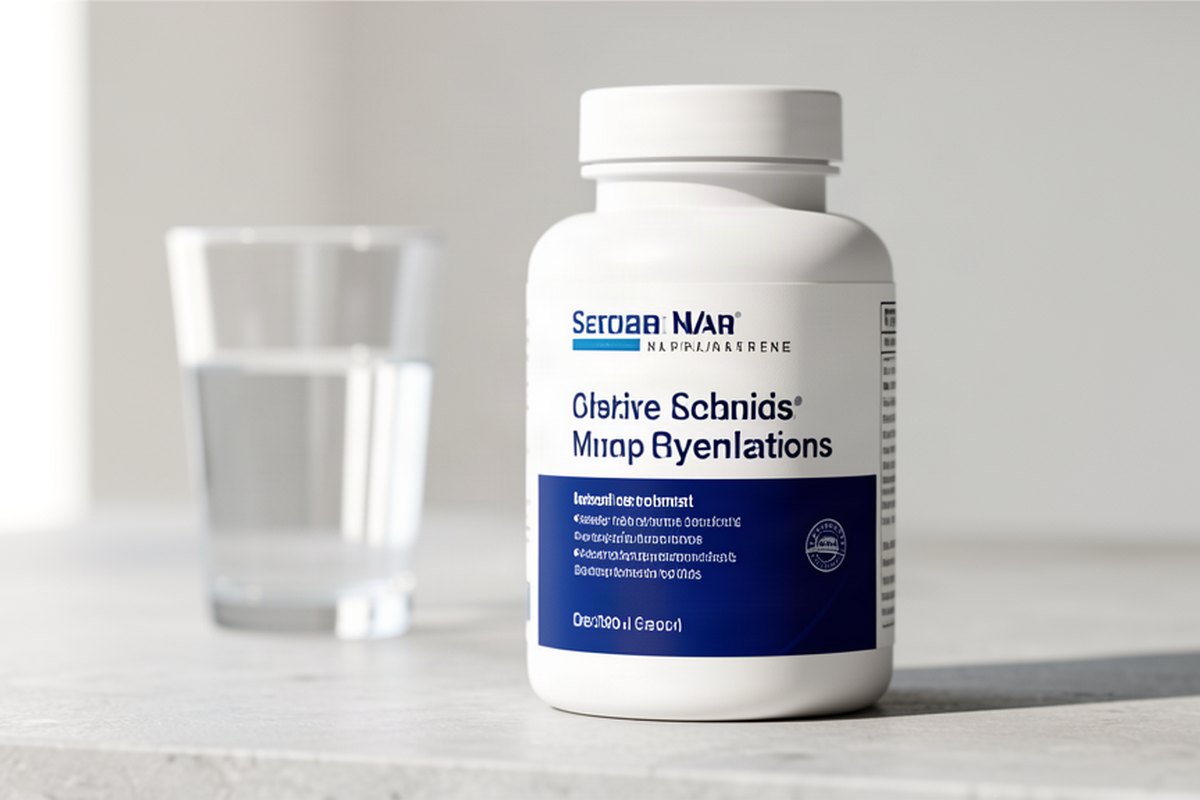
NeuroZoom is one capsule a day containing more than thirty-five named ingredients — vitamins, minerals, antioxidants, plant extracts and a few genuine nootropic compounds.
Most reviews handle this with a lazy reflex: lots of ingredients means everything is underdosed, therefore bad. The arithmetic is right. The conclusion is only half right, and the difference matters for deciding whether to buy it.
The criticism, fairly stated. A capsule holds a finite amount. Divide it thirty-five ways and nothing inside can approach the dose used in a trial of that compound on its own. If you compared NeuroZoom's phosphatidylserine against a dedicated phosphatidylserine supplement, NeuroZoom loses. Same for bacopa, same for choline. That's simply true.
What the criticism misses. That comparison assumes you have one deficiency and need it corrected at clinical strength. Many people don't. An adult in their late sixties or seventies, eating less than they used to, absorbing nutrients less efficiently than they used to, may have half a dozen small shortfalls across different systems — a bit low on B vitamins, a bit low on antioxidant status, a bit low on choline — none of them severe, all of them contributing.
For that person, correcting six small gaps modestly is a better strategy than correcting one gap perfectly. Coverage is the right tool.
So the honest answer is that this product isn't good or bad in the abstract. It's precisely right for one reader and precisely wrong for another, and knowing which you are is the entire decision.
Where it earns real credit: it names everything. No proprietary blend. In a category built on concealment, a company listing all thirty-five ingredients has chosen transparency over the easier route.
The Ingredients That Actually Matter
Thirty-five is too many to walk through. Here are the ones that carry the formula.
Phosphatidylserine
One of the better-evidenced cognitive ingredients available. A phospholipid that's a structural component of brain cell membranes, with research on memory in older adults. A serious inclusion.
Bacopa monnieri
Meta-analysis support for memory and processing speed, with effects at around twelve weeks. Sets the timeline for judging this product.
Choline and DMAE
Both feed the acetylcholine pathway — the neurotransmitter system most involved in learning and memory. Choline is the better-established of the two; DMAE's evidence is older and thinner.
Huperzine A — read this one properly
A compound derived from Chinese club moss that inhibits acetylcholinesterase, the enzyme that breaks down acetylcholine. Inhibit it and acetylcholine stays available longer.
This is a real pharmacological mechanism — it's the same broad mechanism as certain prescription drugs used in dementia. That means it isn't a gentle botanical, and it comes with genuine cautions:
If you have epilepsy or a seizure disorder, speak to a neurologist before taking anything containing Huperzine A. Altering acetylcholine levels matters in that population.
If you take medication affecting acetylcholine — including some dementia drugs, some glaucoma medications and certain others — this needs review.
Some sources advise against continuous long-term use without breaks.
We're giving this more space than the rest because it's the one ingredient here that genuinely requires medical input, and most pages bury it.
EGCG (green tea), bilberry, selenium, vitamins C and E
The antioxidant layer. All reasonable. None will transform anything alone, and that's not their job in a formula like this.
B vitamins — riboflavin, biotin and others
Cofactors for neurotransmitter production and cellular energy. Unglamorous, genuinely important, and commonly low in older adults.
Our honest read: a well-assembled multi-nutrient with a few genuine cognitive actives and one ingredient that deserves a conversation with your doctor.
What we checked
What we did: verified that the ingredients are genuinely named rather than blended. Assessed the breadth-versus-depth question on its merits rather than reflexively. Researched Huperzine A's mechanism and safety profile properly, because it's the one item here with real pharmacological weight. Checked for nutrients with established upper limits that could stack with a multivitamin. Pulled buyer feedback from independent platforms.
What we did not do: run a trial, or present a personal recovery story.
Where we landed: a sensible product for a specific person, a poor one for everybody else, with one ingredient that needs medical clearance for some readers.
What buyers actually report
Positive themes: the most common description is a general lift rather than a specific one — steadier energy, feeling less foggy, a mildly improved baseline. That's exactly what a broad multi-nutrient would be expected to produce, and the consistency of that framing across reports is reassuring rather than suspicious. People used to caffeine-based products describe the effect as different — more like a slowly raised floor than a daily jolt.
Negative themes: a share report no noticeable effect, as expected. Mild digestive adjustment in the first week comes up and typically resolves. Several note that the sales copy is aggressive relative to what the product is, which we'd agree with.
The clearest pattern: the people reporting the most benefit describe their diet as poor or limited beforehand. That is consistent with the mechanism — if you're covering gaps, having gaps to cover is the precondition.
How To Take It
One capsule daily with food, preferably a meal containing some fat — several of the vitamins here are fat-soluble and absorb meaningfully better that way.
Eight to twelve weeks. The bacopa needs twelve; the vitamin and mineral side may show sooner if you were genuinely low.
Before your first capsule, do two things. Check it against every other supplement you take — a 35-item label overlaps with a multivitamin almost by definition, and some nutrients (vitamin E and selenium among them) have upper intake limits worth respecting. And if you take prescription medication, show the label to your pharmacist. A pharmacist will check a 35-item list against your prescriptions in about five minutes, for free, and it's the single most useful thing you can do before starting a product like this.
Track a general 1-to-10 on mental clarity and energy daily. You're looking for a raised floor over weeks, not a spike.
Who Should Buy It
Buy it if you're older, your diet has real gaps, your complaint is general dimming rather than one specific deficit, and you'd rather take one capsule than six bottles. That's a genuine and common profile and this product serves it properly.
Don't buy it if you have a seizure disorder without neurological clearance — the Huperzine A makes that non-negotiable. Don't buy it if you already take a multivitamin without working out the totals. And don't buy it if you want a researched dose of one compound — buy that compound on its own instead. That's not a knock on this product; it's just a different job.
Price, Guarantee, Where To Buy
Sold through the manufacturer's site, roughly $49 to $79 per bottle depending on tier, with larger bundles cheaper per unit. Check current pricing on the site.
One bottle is a month, a fair test is two to three. The multi-bottle tier is the sensible purchase — and the brand itself recommends three to five months for a proper assessment, which is honest of them even if it's also convenient.
60-day money-back guarantee. Note the mismatch: 60 days of refund against 90-plus days of fair assessment. Decide by day 45 if you're uncertain, and if you're genuinely on the fence, take the refund rather than letting it lapse. You can always order again.
NeuroZoom is the product most often dismissed for the wrong reason. Yes, thirty-five ingredients means no clinical doses — that's arithmetic. But coverage is a legitimate strategy for an older adult with several small nutritional gaps, and for that person this is a sensible, simple, one-capsule solution that names everything it contains. For anyone wanting a researched dose of phosphatidylserine or bacopa, it's the wrong purchase, and you should buy those individually instead. The thing we'd most want you to take from this page: the Huperzine A is a real pharmacological ingredient, and if you have a seizure disorder or take medication affecting acetylcholine, this needs a conversation with your doctor before it needs a purchase.
Buy it if you're older, your diet has gaps, and your complaint is general dimming.
We don't sell it — this is the manufacturer's own site, where the 60-day guarantee and the multi-bottle pricing live.
Frequently asked questions
Is 35 ingredients too many?
It depends entirely on what you need. For multiple small nutritional gaps, breadth is right. For a clinical dose of one compound, it's wrong. Neither answer is universal.
Is NeuroZoom legit?
Yes — real product, GMP-certified US manufacturing, all ingredients named rather than hidden in a blend, and a genuine refund policy.
What is Huperzine A and why the warning?
A compound that inhibits the enzyme breaking down acetylcholine — a real pharmacological mechanism, related to how some prescription dementia drugs work. Anyone with epilepsy or a seizure disorder should speak to a neurologist before taking it, and anyone on medication affecting acetylcholine should have it reviewed.
Can I take it with a multivitamin?
Check the totals first. Overlap is near-certain and some nutrients have upper limits. A pharmacist will check both labels for you in minutes.
Does it contain caffeine?
No stimulants at all.
How long until I'd know?
Eight to twelve weeks. The bacopa needs twelve; the vitamin side may show sooner if you were low.
Are there side effects?
Mild digestive adjustment in the first week is the most common, usually resolving. Take it with food.
How many capsules a day?
One. The simplest routine in the category.
Can I take it with my prescriptions?
Show the label to your pharmacist. With 35 ingredients that's genuinely worth doing, and it's free.
Is it on Amazon?
Sold through the manufacturer's site. Marketplace listings won't carry the guarantee.
What's the guarantee?
60 days, money back. Decide by day 45.
When should I see a doctor instead?
If memory changes are noticeable to family, worsening, or affecting daily tasks. Thyroid dysfunction, B12 deficiency, medication effects, sleep apnoea and depression all present this way and all are treatable.
Affiliate disclosure: If you buy through the links on this page we may earn a commission, at no extra cost to you. This never changes what we write, and we do not sell this product. Read the full disclosure.
This review is for information only and is not medical advice. This product contains Huperzine A — if you have epilepsy or a seizure disorder, or take medication affecting acetylcholine, consult your doctor before use. Check for nutrient overlap if you take a multivitamin, as some nutrients have established upper intake limits. Memory changes that are progressive, noticeable to others, or affecting daily activities should be assessed by a doctor. These statements have not been evaluated by the Food and Drug Administration. This product is not intended to diagnose, treat, cure or prevent any disease.